The Body Care Gap in India

Why one soap bar for the whole family is not hygienic
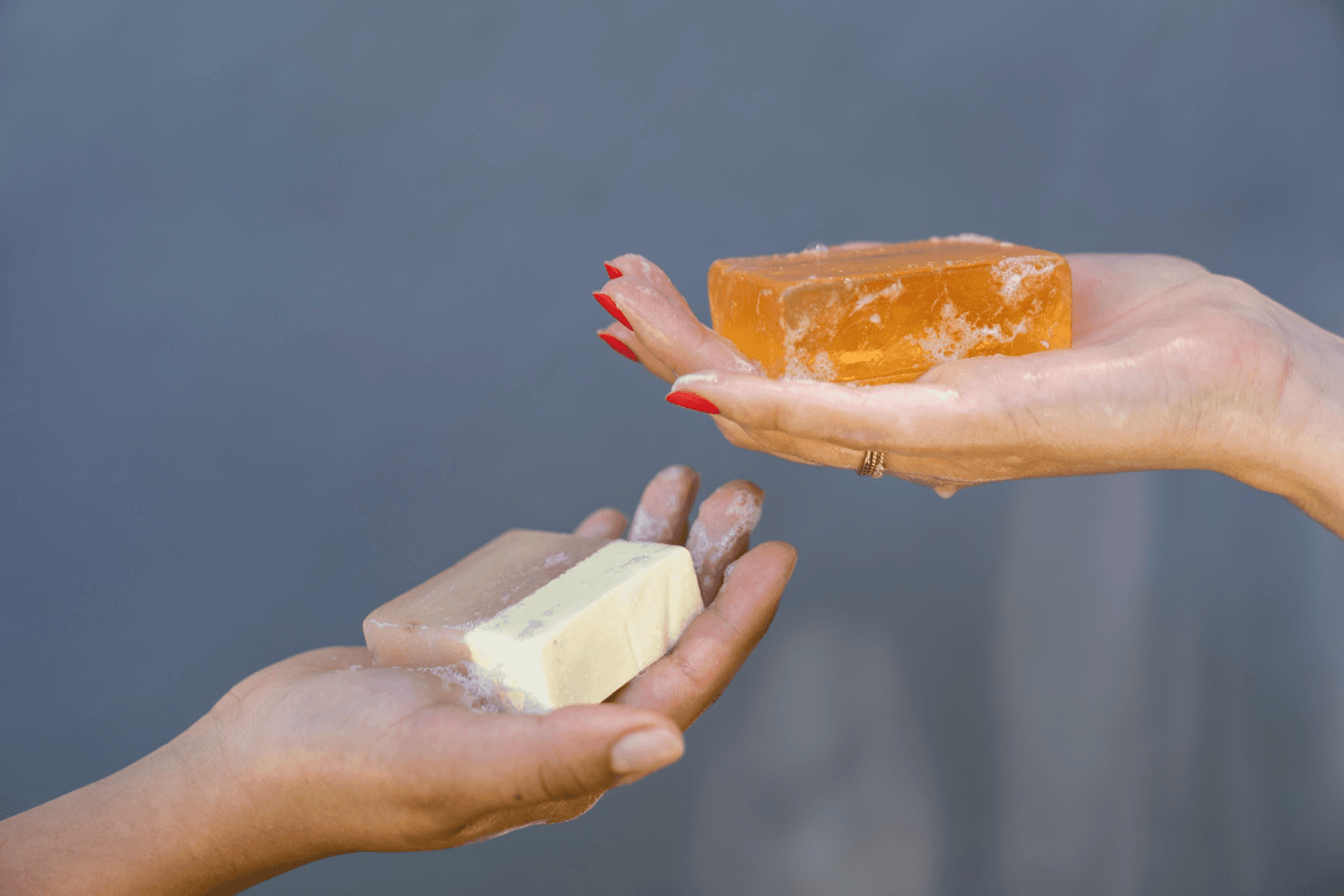
Walk into many Indian households, and you will see the same pattern.
One soap bar.
Used by everyone.
Used for everything.
Face.
Body.
Sometimes even for children.
It is familiar. It is economical. It feels clean.
But is it truly hygienic? And more importantly, is it healthy for the skin?
India’s body care gap is not only about moisturising less. It begins much earlier, with how we cleanse. It continues with how little attention we give to protecting and nourishing the rest of our skin.
While facial skincare routines are evolving rapidly, body care in India is still largely limited to soap and occasional winter lotion.
The “One Soap for All” Culture
Bar soaps have been part of Indian bathing culture for generations. They are affordable, widely available and strongly associated with hygiene.
In many households, a single soap bar is shared by multiple family members and used across the entire body.
While this practice feels normal, dermatologists increasingly highlight that cleansing habits directly affect the health of the skin barrier.
The issue is not only hygiene. The issue is formulation.
Soap Is Not the Same as Cleanser
Traditional soaps are produced through a chemical process called saponification, which naturally creates an alkaline product.
Human skin, however, maintains a slightly acidic surface pH. Healthy skin typically has a pH around 5.4 to 5.9, which helps support the protective barrier and maintain a balanced microbiome.
A dermatological study evaluating commonly used bathing soaps found that the majority of soaps tested had a pH between 9 and 10, significantly higher than the skin’s natural pH (Tarun et al., 2014).
This difference matters biologically.
Repeated use of highly alkaline soaps can:
• Increase skin surface pH
• Disrupt the acid mantle
• Weaken the protective barrier
• Increase transepidermal water loss
Over time, this can lead to dryness, irritation and reduced skin resilience.
The Hygiene Misconception
In many Indian households, strong lather is associated with stronger cleaning.
More foam means more hygiene.
However, dermatological research shows that harsh cleansing agents can strip away natural lipids that protect the skin. When these lipids are repeatedly removed, the skin barrier becomes weaker.
This may result in:
• Persistent dryness
• Increased sensitivity
• Micro irritation
• Greater vulnerability to environmental stress
Clean skin should not mean compromised skin.
Body Skin Faces Daily Environmental Stress
There is a common belief that the skin on the body is tougher than facial skin and therefore requires less care.
But the body is constantly exposed to environmental stress.
This includes:
• Sweat
• Friction from clothing
• Pollution particles
• Dust
• Ultraviolet radiation
In India’s hot and humid climate, sweat glands remain active for long periods during the day. Sweat combined with friction and residue from harsh cleansers can contribute to conditions such as body acne, fungal infections and heat rashes.
Despite this, body care routines often remain unchanged
The Role of Body Wash and Shower Gel
Modern body washes and shower gels are typically formulated with milder cleansing agents and are often designed to be closer to the natural pH of the skin.
Unlike traditional soaps, many liquid cleansers aim to cleanse while preserving the skin barrier.
They also provide hygiene advantages:
• Reduced shared surface contact
• Controlled dispensing
• Lower risk of contamination in humid bathrooms
Most importantly, gentler cleansing helps maintain the skin’s natural protective layer rather than stripping it away.
Moisturising Is Often Treated as a Winter Habit
In many Indian households, body lotion appears only during winter.
When the weather becomes cold and dryness becomes visible, people begin moisturising their arms and legs.
But dryness is not only a winter concern.
Hot weather, frequent bathing, soap usage and sun exposure can all weaken the skin barrier. When moisturising becomes seasonal instead of consistent, the skin barrier rarely has time to fully recover.
Regular moisturising helps:
• Restore lost lipids
• Strengthen the skin barrier
• Reduce irritation and dryness
• Improve overall skin resilience
Yet body moisturising remains inconsistent across large sections of the population.
The Missing Conversation Around Body Sunscreen
Perhaps the largest gap in Indian body care is sun protection.
Most sunscreen conversations focus almost entirely on the face.
But the parts of the body that receive the most sunlight are often the ones left unprotected.
These include:
• Arms
• Neck
• Hands
• Feet
• Shoulders
In a country with strong sunlight for most of the year, chronic ultraviolet exposure can lead to tanning, pigmentation, premature ageing and long term cellular damage.
Despite this, daily sunscreen application on exposed body areas remains uncommon.
The result is a visible contrast where the face appears lighter or more even toned while the arms and neck remain significantly darker due to sun exposure.
The Larger Body Care Gap
The gap is not only about soap.
It is about mindset.
Body care in many routines is still limited to:
• Soap
• Occasional lotion in winter
• Talcum powder in summer
Meanwhile, face care routines continue to evolve with cleansers, serums, sunscreens and moisturisers.
This imbalance means that nearly 90 percent of the skin on the body receives very little attention compared to the face.
Why This Matters
When body skin is repeatedly exposed to harsh cleansers, heat, sweat and sun without proper care, the barrier becomes compromised.
Over time this can contribute to:
• Persistent dryness
• Uneven pigmentation
• Recurrent rashes
• Increased sensitivity
In a country with intense heat, humidity and UV exposure, body care is not optional.
It is a basic part of maintaining healthy skin.
The Conversation Needs to Change
The hygiene conversation in India needs to evolve.
From:
“Does it foam?”
to
“Does it protect the skin barrier?”
From:
“One soap for the whole family”
to
“Skin conscious cleansing.”
And from:
“Only the face needs skincare”
to
“The body deserves protection too.”
When awareness evolves, body care will gradually shift from reactive treatment to preventive care.
And that shift will begin with something simple.
How we cleanse, protect and nourish our skin every day.
References
Tarun, J., Susan, J., Suria, J., Susan, V.J. and Criton, S. (2014)
Evaluation of pH of bathing soaps and shampoos for skin and hair care.
Indian Journal of Dermatology, 59(5), pp. 442–444.
Available at: https://pmc.ncbi.nlm.nih.gov/articles/PMC4171909/