This Is Not Just Heat.
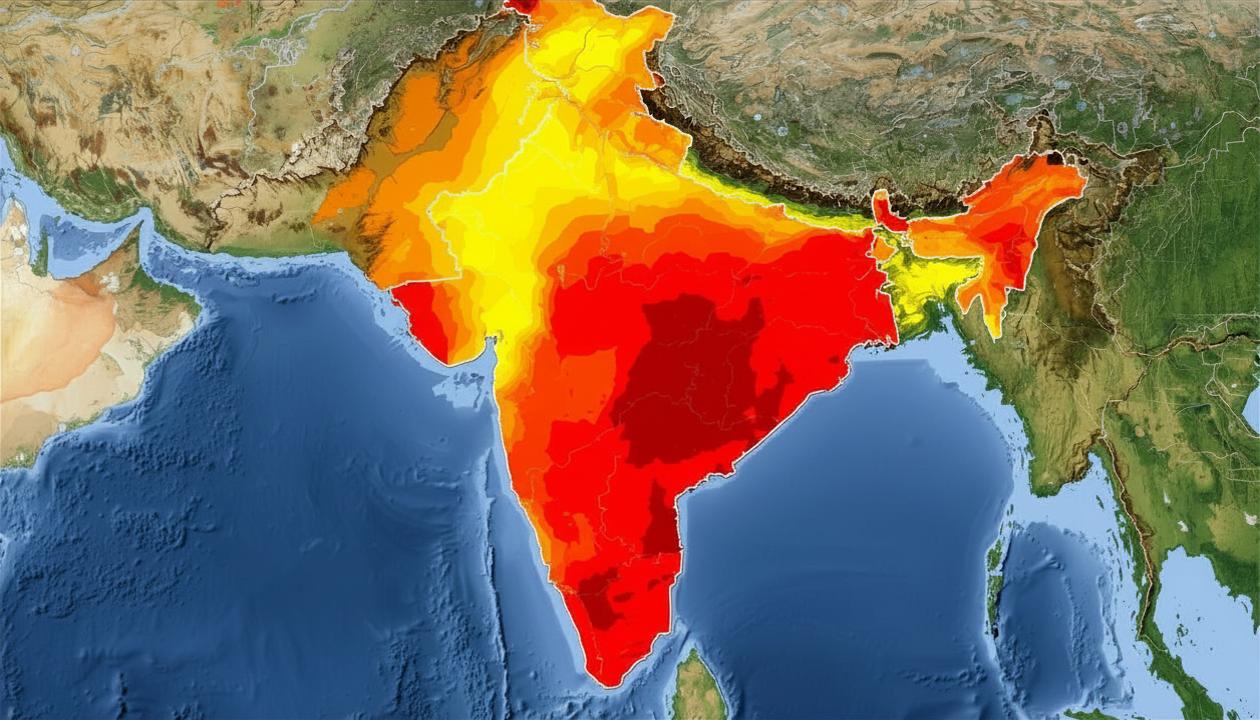
This is a climate system your skin
is not built for.
India right now is not experiencing summer. It is in a pre-monsoon atmospheric lock where heat, radiation, and pressure build continuously without interruption.
At a biological level, your skin is not adapting to this.
It is constantly defending itself against it.
Right now, India is locked in a pre-monsoon atmospheric squeeze that meteorologists have been tracking closely. The monsoon is still weeks away. In its absence, the Intertropical Convergence Zone, the equatorial belt that drives seasonal weather, is pushing heat deeper into the subcontinent with no system to stabilise it.
At the same time, a persistent high-pressure anticyclone over central India is actively suppressing cloud formation.
This is where another critical phenomenon comes in.
What climate scientists refer to as a Heat Dome.
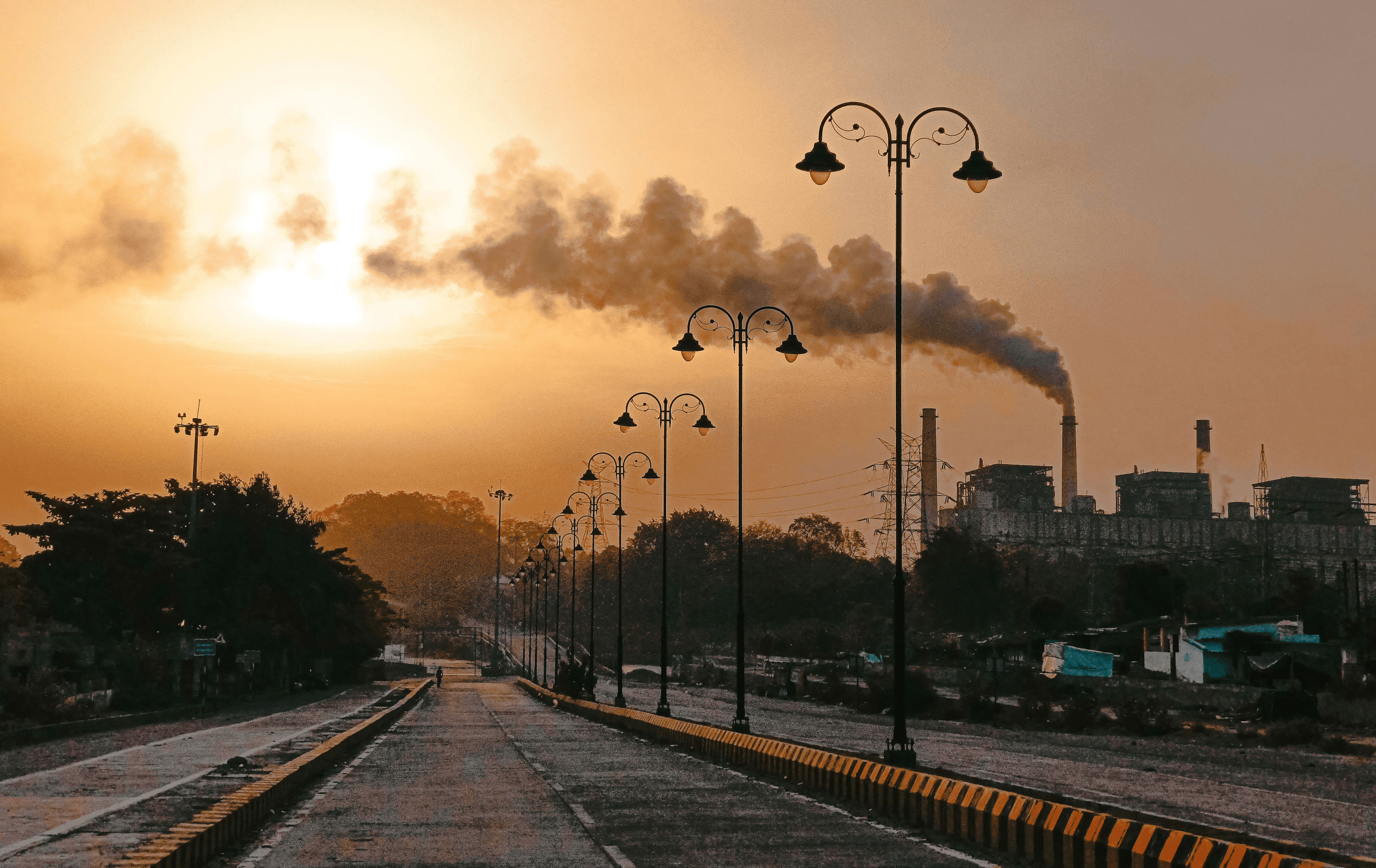
A heat dome forms when a high-pressure system traps hot air close to the surface, compressing it and preventing it from escaping. As the air is pushed downward, it heats further, a process known as subsidence warming. With no cloud cover and no air movement to disperse heat, temperatures continue to build day after day.
In simple terms, the heat is not just present; it is being held in place and intensified.
The result is prolonged solar exposure across most regions for over twelve hours a day, with minimal atmospheric interruption.
This is not passive weather. This is continuous environmental stress.
The numbers reflect it clearly.
Surface temperatures are crossing 40°C in multiple regions, with urban heat pushing real-feel temperatures even higher. Relative humidity in northern and central zones drops below 15% during peak afternoon hours, while coastal regions fluctuate unpredictably. The UV Index is consistently reaching 10 to 12, categorised as extreme.
Add to this the urban heat island effect, where concrete and asphalt trap and re-radiate heat, and the environment your skin is exposed to is no longer neutral.
It is biologically aggressive.
“At a UV Index above 10, unprotected skin begins accumulating measurable damage in under ten minutes. Most people are exposed for far longer.”What this climate is doing at the cellular level
The most important thing to understand about heat and UV exposure is that most of the damage is not immediately visible. There is no instant signal. No immediate discomfort for most Indian skin tones.
The impact appears later,
Such as pigmentation, uneven tone, and loss of elasticity.
But the process begins now.
The cascade, what extreme heat and UV trigger
Transepidermal water loss accelerates rapidly
In low humidity, skin loses moisture faster than it can retain it. The barrier weakens structurally before visible dryness appears.UVB introduces direct DNA stress
Each exposure creates microscopic cellular damage. While the body repairs some of it, cumulative exposure reduces this efficiency over time.UVA penetrates deeper layers of the skin
It generates reactive oxygen species that degrade collagen and elastin, without immediate visible signs.Melanin offers limited protection
Indian skin does not burn easily, but it is not protected from damage. Instead of redness, the response appears as pigmentation and uneven tone.
Skin pH shifts under sustained heat
Sweat and heat push the skin toward alkalinity, disrupting the microbiome and increasing the likelihood of acne and irritation.
The belief that Indian skin is naturally protected has created a false sense of security.
The damage is not absent.
It is simply less immediately visible.
The climate-adapted protocol
This is not generic skincare advice.
It is a response to current Indian atmospheric conditions.
01 Hydration must begin immediately
After cleansing, the skin retains temporary surface moisture. This window is brief.
Applying humectants during this phase helps retain hydration within the skin.
Key components:
Glycerin · Sodium hyaluronate · Betaine
02 High-spectrum sun protection
Under current conditions, SPF 30 is insufficient.
Minimum requirement:
SPF 50+ with PA++++
Equally important is the correct quantity.
Under-application significantly reduces effectiveness.
03 Reapplication based on exposure
UV filters degrade as they absorb radiation.
In Indian summer conditions, this happens within 90–120 minutes of direct exposure.
Reapplication is essential to maintain protection.
04 Night should focus on repair
Using strong actives in this climate can further weaken the barrier.
The focus should shift toward restoring skin integrity.
Key components:
Ceramides · Panthenol · Soothing agents
05 Internal hydration supports external health
Topical care alone is not enough.
Electrolytes and antioxidant-rich foods support hydration and reduce internal stress on the skin.
The larger context
India’s climate is not uniform.
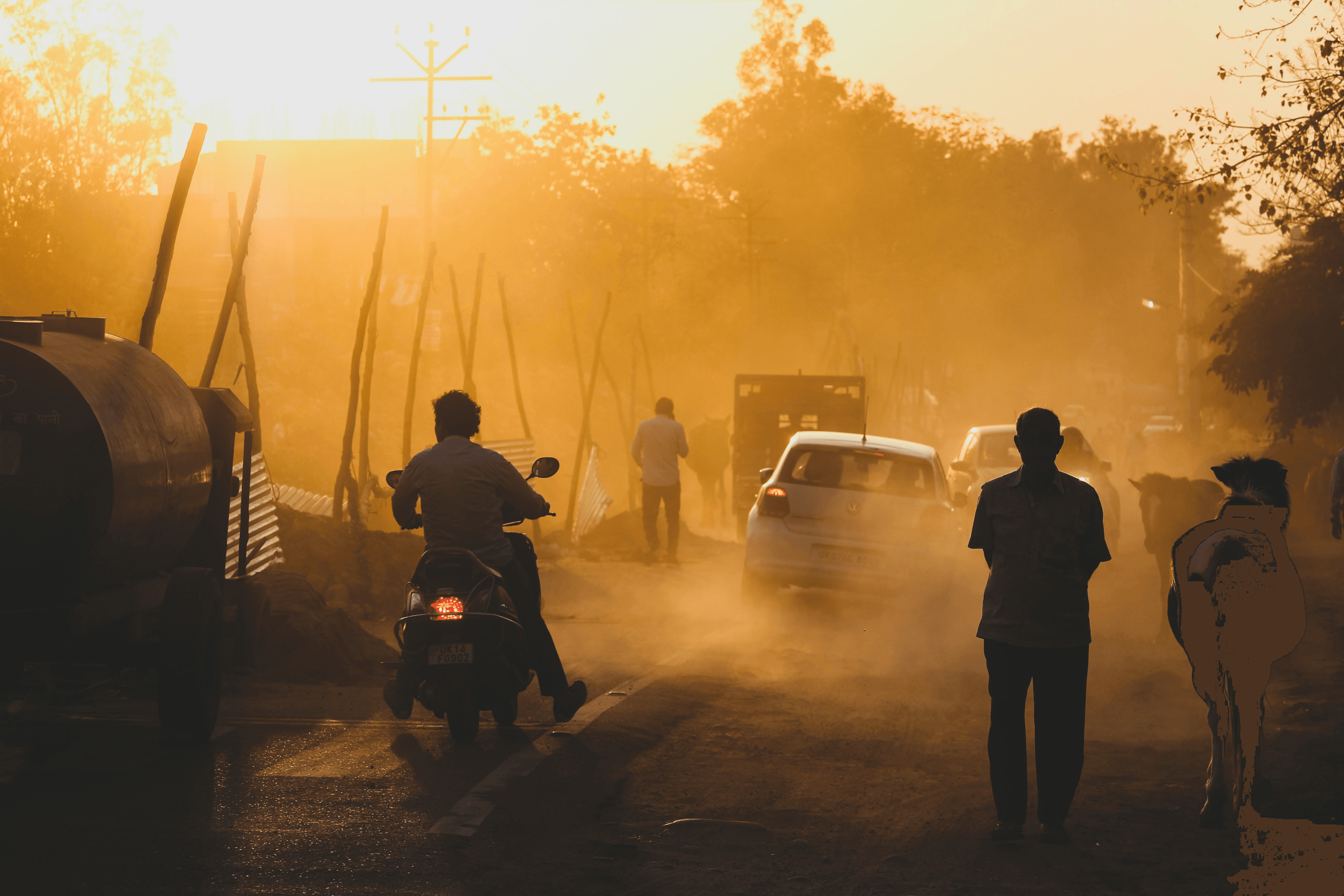
It is a combination of:
Dry heat
Humid conditions
Pollution exposure
Trapped heat systems, such as heat domes
High UV radiation
All are interacting simultaneously.
Skincare that does not account for this complexity
will consistently feel ineffective.
Final note
The monsoon will arrive.
Temperatures will ease.
Humidity will stabilise.
But cumulative damage does not reset.
What your skin experiences during these weeks
will reflect over time.
This is not about reacting to the weather.
It is about understanding it and responding correctly.